$64.00
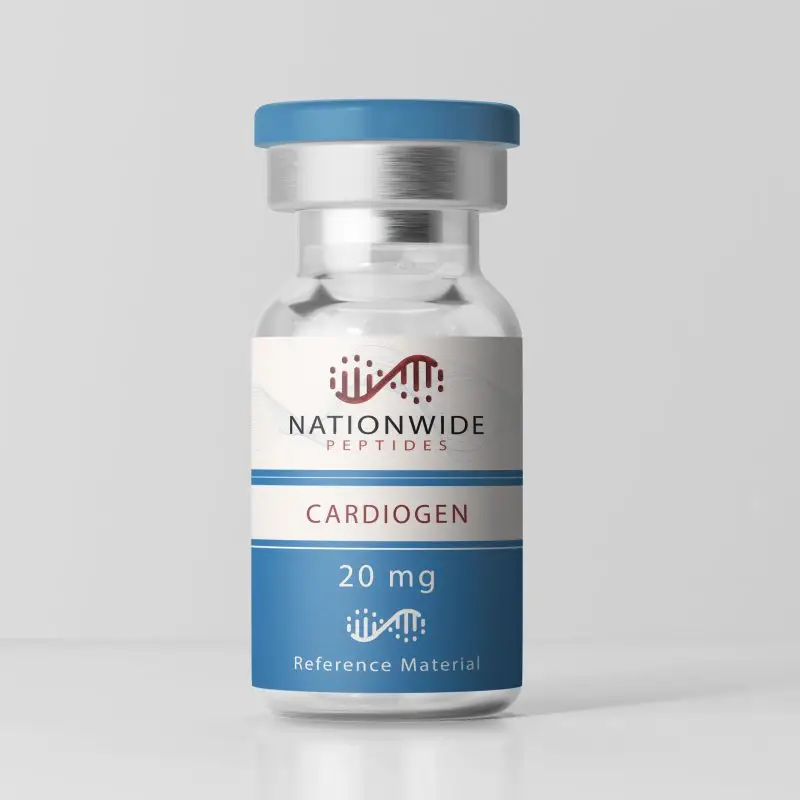
High-purity Cardiogen peptide designed for advanced cardiac tissue bioregulation and myocardial research. Cardiogen, a synthetic tetrapeptide (Ala-Glu-Asp-Arg), is widely used in scientific studies of gene expression modulation, cardiomyocyte proliferation mechanisms, and cardiovascular remodeling pathways in preclinical models. For Research Use Only. Not for human use.
Cardiogen is a synthetic tetrapeptide bioregulator widely used in preclinical research to investigate myocardial cell regulation, modulation of fibroblast activity, protein synthesis pathways, and epigenetic influences on cardiac tissue. This research-grade peptide is produced under stringent GMP-compliant conditions and provided as a lyophilized powder to ensure superior purity, stability, and reliability in experimental applications.
Engineered solely for preclinical investigations, each batch of Cardiogen receives a comprehensive quality assessment and includes complete documentation, such as a Certificate of Analysis (COA), purity data, and structural verification.
Scientific Overview
Cardiogen influences gene promoter regions and cellular processes in cardiac-associated systems in research settings. Preclinical investigations examine Cardiogen’s potential effects in the following areas:
- Modulation of myocardial cell proliferation and protein synthesis pathways
- Regulation of fibroblast maturation and extracellular matrix dynamics
- Influence on apoptotic signaling markers in cardiac models
- Examination of cellular response pathways in cardiac tissue under stress conditions
- Investigation of metabolic and contractile protein activity in aged cardiac explant models
Why Researchers Choose Our Cardiogen
For laboratories requiring dependable Cardiogen research peptides, our manufacturing process prioritizes reproducibility and scientific precision. Every batch is confirmed for:
- Purity ≥99% by HPLC
- Structural identity via mass spectrometry
- Third-party Certificate of Analysis (COA) available per lot
For Research Use Only. Not for human use.
Statements regarding Cardiogen have not been evaluated by the FDA. This product is not intended to diagnose, treat, cure, or prevent any disease.
Explore our testing protocols in About Peptides > Rigorous Testing.
Research-Referenced Functional Attributes (Based on existing preclinical and literature data—not intended as claims of therapeutic use)
- Stimulation of cardiomyocyte proliferation while modulating fibroblast activity in myocardial tissue cultures from young and aged models
- Reduction of p53 expression potentially linked to decreased apoptotic signaling in cardiac cell models
- Examination of gene expression patterns related to contractile proteins and mitochondrial bioenergetics in aged cardiomyocyte models
- Investigation of cardiac remodeling and extracellular matrix remodeling dynamics in stress or injury models
- Potential modulation of oxidative stress responses and protein synthesis in myocardial systems
- Examination of tissue-specific effects on cardiac function in peptide bioregulator studies
Be the first to review “Cardiogen Peptide”
Related products


Reviews
There are no reviews yet.